
Inspired by her mother’s legacy of running an adult book and video rental store, Circus of Books, for the queer community, director Rachel Mason’s SXSW documentary puts to rest the near 35 year cold case of the murder of Billy London. Produced by Penelope Spheeris (director of The Decline of Western Civilization trilogy), My Brother’s Killer introduces the crime; in October of 1990, a 25 year old man was found murdered and decapitated in a dumpster in West Hollywood with no traces of the killer left behind before the LAPD eventually put the case to rest. Mason’s documentary not only sheds light on the murderer, but also Billy’s formative years, the reality of how self-loathing can manifest as a hate crime, as well as how often cases related to the LGBTQ+ community become suppressed and dismissed from the public.
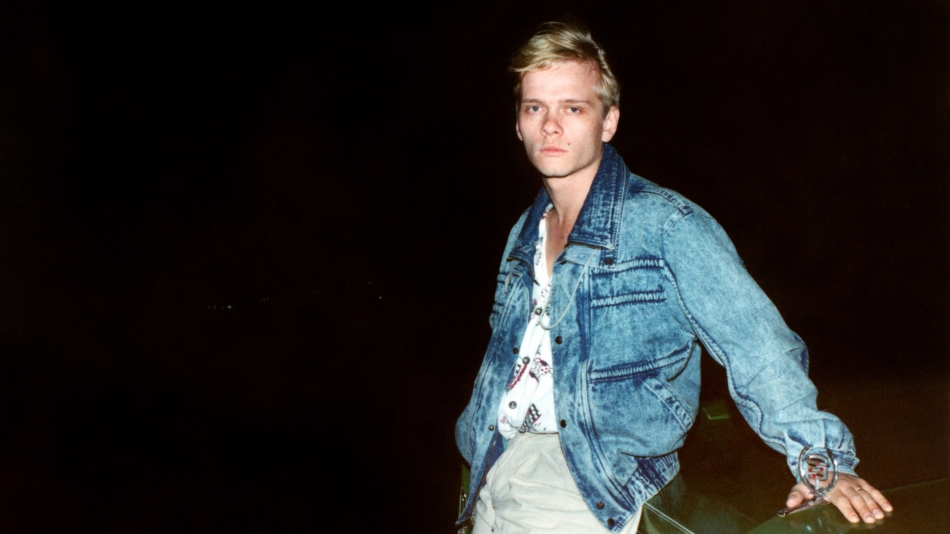
Initially cited as a John Doe case, Billy (born William Arnold Newton) was recognized in his community as a vibrant young individual. With the use of video footage and interviews with his close family and friends, the documentary depicts Billy’s upbringing in small town Wisconsin as a stifling and abusive one. Anyone deemed as ‘different’ was subject to scrutiny, not to mention the homophobic rejection he received from his father. After dropping out of high school and fleeing home, he made his way to West Hollywood where he entered the adult film industry as both an actor and makeup artist. In the thick of the post-AIDS crisis and heightened violence in the city, the news of a potential serial killer terrified both the queer community and the gay pornography business.
The documentary loses some steam in the first half of its runtime, chasing red herrings (including a potential lead of Jeffrey Dahmer committing the crime), however the latter portion raises challenging yet insightful questions once the murderer is identified. The notion of an individual being in such close proximity to Billy’s social circles and committing such a horrific crime makes the viewer question how the killer’s psychological makeup came to fruition and the rippling effects that internalized homophobia can have; not just on an individual, but throughout an entire community. With many of the men who knew Billy London having since passed away (frequently from AIDS or drug overdoses, as shown on a spreadsheet Mason crafted), it’s difficult to represent an entirely accurate and detailed scene from the streets from over 35 years ago, though the documentary does instill personal recounts and experiences from Billy’s former lover and co-worker, his stepsister and adult film directors like Chi Chi LaRue and Phil Tarley. Despite the documentary commencing as a somewhat derivative true crime story, My Brother’s Killer expounds upon the psychological undertones of the many moving parts that potentially led up to the murder as well as a recognition that bringing more awareness to cases like this will ultimately result in preventing such needless brutality from taking place so persistently in our society.