
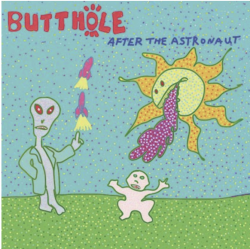
Butthole Surfers are finally releasing After the Astronaut, a long-lost album that was originally recorded in the late 1990s but never saw the light of day. The record will arrive on June 26 through Sunset Blvd., giving fans a chance to hear the album as the band originally intended.
The project was created as the follow-up to the group's 1996 album Electric Larryland, which featured the hit single "Pepper." However, the band's label at the time decided not to release After the Astronaut, reportedly pushing for a more commercial direction instead. The recordings were later reworked into 2001's Weird Revolution, leaving the original version unheard for nearly three decades.
Now, with control of the material back in the band's hands, Butthole Surfers are presenting the album in its original form. The release highlights a period when the group was moving away from the alternative rock trends of the era and experimenting with electronic sounds, industrial rhythms, psychedelic textures, and synthesized production.
To celebrate the announcement, the band has shared the single "Imbuya." The track follows the previously released "Jet Fighter," a surf-punk inspired song that combines the band's offbeat songwriting style with energetic guitar work and a playful anti-mainstream attitude.
Throughout After the Astronaut, listeners can expect a mix of distorted guitars, heavy beats, strange sound design, and experimental arrangements. Songs such as "Intelligent Guy" explore mechanical rhythms and industrial influences, while "I Don't Have A Problem" layers fuzzed-out instrumentation, feedback, and unusual vocal textures into a dark and cinematic soundscape.
Originally formed in San Antonio, Texas, by Gibby Haynes and Paul Leary, Butthole Surfers became one of the most unpredictable and influential underground rock bands of their generation. While they briefly reached mainstream success with "Pepper," the group built its reputation through unconventional music and a commitment to creative freedom.
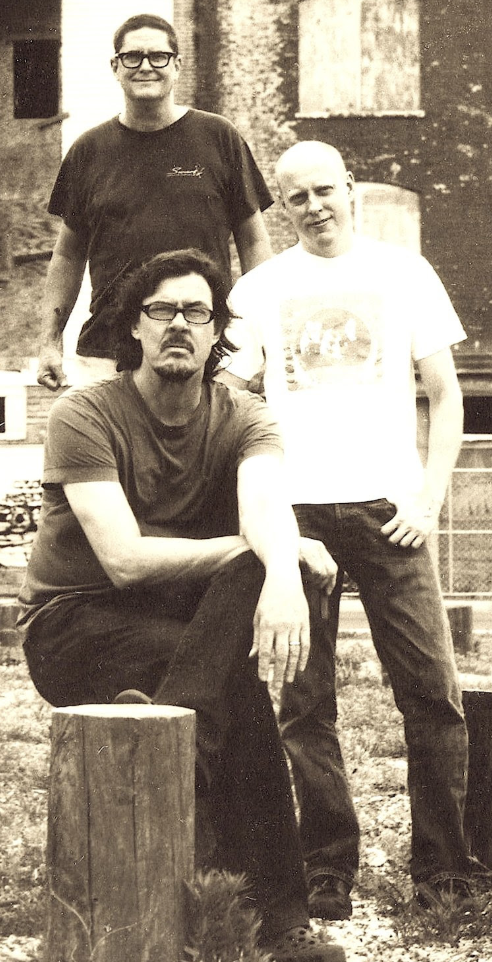
Featuring Haynes, Leary, and King Coffey, After the Astronaut stands as a restored chapter in the band's history and offers fans a rare look at a project that remained hidden for nearly 30 years.